Hyperlinks: https://files.eric.ed.gov/fulltext/ED442707.pdf
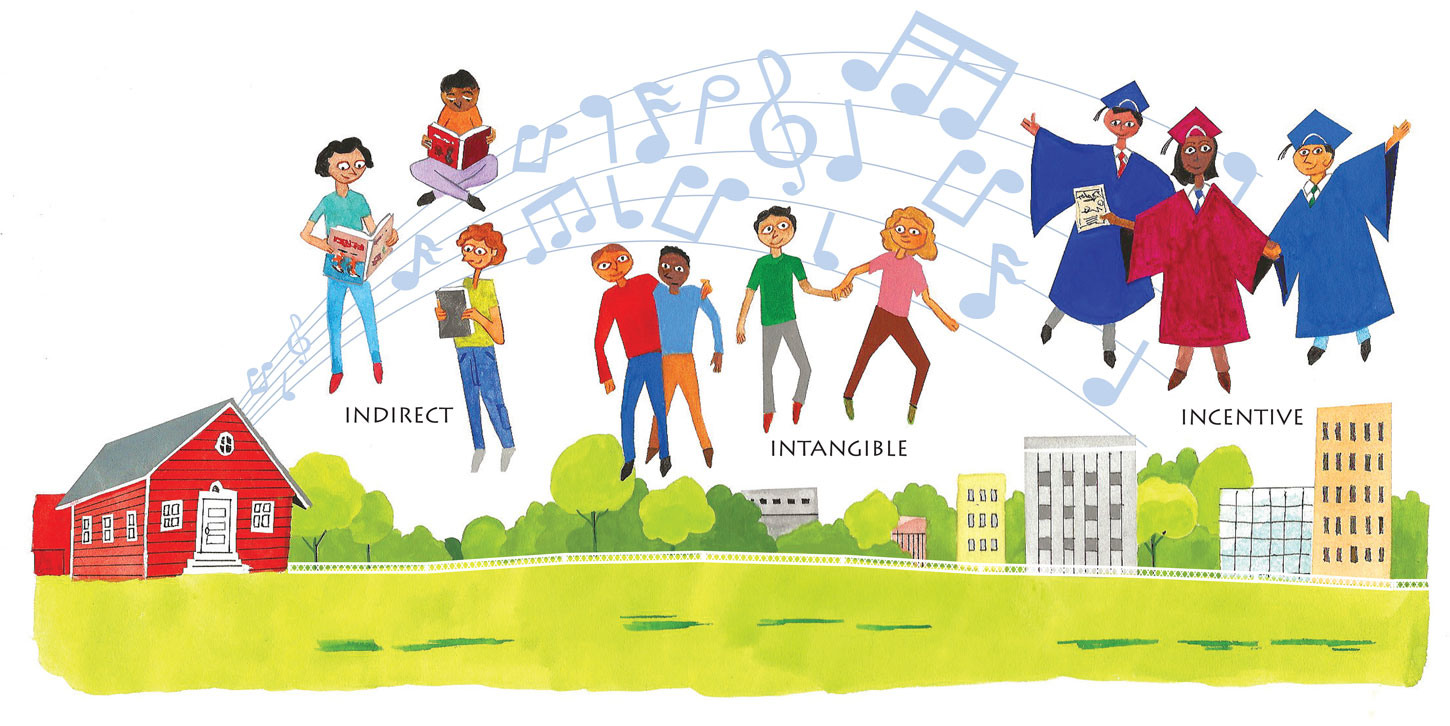
This week I choose to look at the content through the lens of music, and in particular the benefits of music on children and their learning. The article I found talks about the influence of music of a child’s brain development, academic performance, and practical life skills. Looking at the chart from Alfie Kohn from this lens we can see how music could make the classroom a much more welcoming and engaging space for children. Music would have an impact on the “location the teacher” and the “Teacher’s voice”, giving the teacher a chance to move around and engage with the kids while also being seen as a more fun and less intimidating figure. As mentioned in the article by Jenny Nam Yoon, “Musical math also reduces students' anxieties about addition and multiplication. An added benefit is the growth of students' self-confidence and sense of mathematical accomplishment. This teaching idea is especially helpful with students having difficulty with basic mathematical concepts” (Bard, Dean 1992). Music makes the content much less scary to learn for students, giving them higher self confidence and giving a new chance for students who struggle with math to understand the content in a new way. Music would also help with Kohn’s standard of “student face’s” and “sounds”. Using music more in education would increase student engagement because it would mix up the lesson plan and give students who don’t excel with traditional teaching a new way to excel. Also, it would give the students a chance to collaborate and the class to sing and make music as a whole, creating a sense of community and togetherness.
When looking at culturally responsive pedagogy through the lens of music you see many benefits. The first connection I made was that music programs are often the first thing to get cut from a school if they are experiencing a budget problem. This does not so much affect private schools or schools with a surplus of money (happen to be schools with a larger white population), but more affects public schools with a budget deficit (many times will be mostly students of color). Adding music into the teaching or core curriculum can give kids, no matter how much money their families or their schools have, a chance to try out making music. As shown in the article students who practice music have higher test scores, so adding musical instruction to all classrooms would help to level the playing field from this perspective. Another way music and culture are intertwined is with teachers sharing their culture and students’ cultures. Music and culture are very connected, and a teacher can share their culture with their students through music, while introducing them to different thoughts and backgrounds. It would also work the other way, where a teacher who doesn’t share much similar culture to their students can try to relate to them by playing music that the students value. Another way music education is culturally responsive is in the teaching of life skills. “Discipline, ability to manage stress, cooperation, appreciation of their culture and the cultures others, and learning to express their feelings are valuable and necessary skills in achieving a balanced and healthy life.” (Yoon 27). While schools teach all students the same core curriculum, they often don’t teach life skills and sometimes even assume students will have learned these from home. However, every student has a different home life and aren’t all taught important skills by their parents. Having musical education will help teach students skills that the core subjects leave out.


No comments:
Post a Comment